
ERP finance modernization sets the stage for this enthralling narrative, offering readers a glimpse into a story that is rich in detail and brimming with originality from the outset.
In today’s rapidly evolving business landscape, ERP finance modernization has emerged as a crucial strategy for organizations striving to enhance their financial management practices. This transformation not only optimizes financial processes but also aligns them with contemporary technological advancements, thereby increasing efficiency and compliance. Understanding the evolution of ERP systems and the key drivers behind this modernization is essential for businesses looking to thrive in a competitive environment.
Overview of ERP Finance Modernization
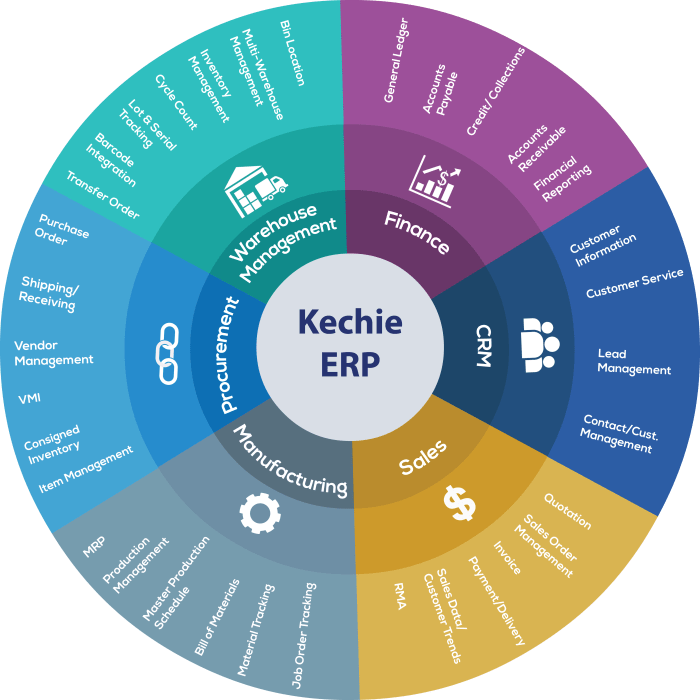
ERP finance modernization refers to the process of updating and transforming enterprise resource planning systems, particularly in the finance sector, to better meet the demands of today’s fast-paced business environment. As organizations increasingly rely on data-driven decision-making, the significance of modernized ERP systems cannot be overstated. These systems integrate various financial processes, enhancing efficiency, accuracy, and visibility across departments.The evolution of ERP systems has significantly impacted financial management practices, transitioning from simple transaction processing systems to sophisticated platforms that facilitate real-time analytics and strategic planning.
Over the years, ERP solutions have become more user-friendly, scalable, and adaptable, enabling organizations to respond swiftly to market changes.Key drivers for finance modernization within organizations include the need for improved compliance with regulations, the demand for greater operational efficiency, and the increasing complexity of financial reporting. Organizations are now looking to leverage technology to streamline processes and reduce costs while enhancing the quality of financial data used for decision-making.
Importance of Finance Licenses
The finance sector is heavily regulated, and obtaining the necessary finance licenses is crucial for professionals to operate legally. Various types of finance licenses exist, such as Certified Public Accountant (CPA), Chartered Financial Analyst (CFA), and Financial Risk Manager (FRM). Each license serves a specific purpose and indicates that the holder has met particular educational and professional standards.The process of obtaining finance licenses typically involves meeting education and experience requirements, passing examinations, and maintaining ongoing education to keep the license active.
These licenses help ensure compliance with industry regulations, protect consumers, and uphold the integrity of the financial markets.Lacking the necessary licenses can have severe repercussions for businesses and individuals in the finance sector. For instance, operating without a license may result in hefty fines, legal actions, and damage to reputation, ultimately affecting client trust and business sustainability.
Role of Finance Lawyers
Finance lawyers play a critical role in corporate finance by providing legal guidance and ensuring compliance with financial regulations. Their responsibilities include drafting and reviewing financial agreements, advising on mergers and acquisitions, and representing clients in disputes related to financial transactions.The importance of legal expertise in finance transactions cannot be understated. Finance lawyers help navigate complex regulations, mitigate risks, and ensure that all dealings comply with applicable laws.
This expertise is vital in preventing legal pitfalls that could lead to significant financial losses or reputational damage.Typical cases handled by finance lawyers include negotiating loan agreements, advising on securities transactions, and resolving compliance issues. Successful outcomes in these cases often hinge on the lawyer’s ability to interpret regulations and provide sound strategic advice.
Careers in Finance
The finance industry offers diverse career opportunities, including roles such as financial analyst, investment banker, accountant, and financial planner. Each role requires a unique set of skills, such as analytical reasoning, attention to detail, and strong communication abilities.Career progression paths within finance can vary widely. For example, a financial analyst may advance to senior analyst or managerial positions, while accountants can move into roles such as finance director or CFO.
Ongoing education and professional development are essential for advancing in these careers, as the industry continually evolves.Current trends in finance careers indicate a growing demand for professionals skilled in data analysis, technology integration, and regulatory compliance. Job seekers who focus on developing these skills will likely find better opportunities in this competitive landscape.
Overview of Finance Companies
Finance companies come in various forms, including consumer finance companies, commercial finance companies, and investment firms. Each type serves distinct purposes, such as providing personal loans, facilitating business financing, or managing investment portfolios.These companies play a pivotal role in supporting both businesses and consumers. For instance, consumer finance companies offer loans that enable individuals to purchase goods or services, while commercial finance companies provide capital for businesses to expand operations.Notable finance companies like Goldman Sachs, JPMorgan Chase, and Wells Fargo have made significant contributions to the market by offering a wide array of financial products and services, driving economic growth, and facilitating financial transactions on a global scale.
Basics of Finance
Understanding fundamental finance concepts is essential for navigating the finance landscape effectively. Key financial terms include assets, liabilities, equity, revenue, and expenses, each playing a crucial role in financial decision-making and reporting.These basics are integral to everyday financial management, whether for personal finances or business operations. For instance, understanding the balance sheet helps individuals and organizations assess their financial health and make informed decisions.Moreover, a solid grasp of these concepts enables individuals to avoid common pitfalls in financial decision-making, such as overspending or mismanaging debt, ultimately leading to better financial outcomes.
Structure of Finance Divisions
The organizational structure of finance divisions within companies typically includes several key roles, such as finance manager, financial analyst, and accountant. Each position carries distinct responsibilities, contributing to the overall financial health of the organization.For example, finance managers oversee budgeting, forecasting, and financial reporting, while analysts focus on data analysis and performance evaluation. Accountants handle the day-to-day financial transactions and ensure accurate record-keeping.Optimizing finance division performance involves implementing efficient processes, leveraging technology, and fostering collaboration among team members.
This can lead to increased productivity, improved financial accuracy, and better decision-making capabilities.
Role of Finance Minister
In government, the finance minister holds significant responsibilities, including managing public finances, formulating economic policies, and overseeing the national budget. This role is crucial for maintaining economic stability and growth.Finance ministers influence economic policies by proposing tax reforms, allocating funds for public services, and implementing fiscal measures to stimulate the economy. Their decisions can have far-reaching effects on inflation, employment, and overall economic health.Notable finance ministers, such as Janet Yellen in the United States or Rishi Sunak in the UK, have made impactful contributions to their countries by navigating challenging economic landscapes and implementing strategies to foster recovery and growth.
Finance Transformation Strategies
Essential components of finance transformation in organizations include process optimization, technology adoption, and cultural change. These elements are vital for enhancing efficiency and responsiveness in finance operations.Technology plays a key role in facilitating finance transformation, with tools like cloud computing, artificial intelligence, and data analytics driving improvements in financial processes. Organizations that embrace these technologies are better positioned to adapt to market changes and improve their financial performance.Implementing finance transformation strategies typically involves creating a roadmap that Artikels specific goals, required resources, and milestones.
This structured approach helps organizations effectively transition to modernized financial practices.
Technology in Finance
Technology has become an integral part of modern finance, offering numerous advantages such as improved efficiency, enhanced accuracy, and deeper insights into financial performance. Automation, for example, streamlines routine tasks, allowing finance professionals to focus on strategic decision-making.Emerging technologies, including blockchain, robo-advisors, and machine learning, are poised to revolutionize financial services. These innovations offer potential benefits such as increased transparency, reduced costs, and personalized financial solutions.Comparing traditional finance methods with technology-enhanced approaches reveals significant differences in efficiency and effectiveness.
Technology-driven financial practices enable faster transactions, better data analysis, and improved customer experiences.
Understanding Financial Statements
Financial statements, including the balance sheet, income statement, and cash flow statement, are essential tools for stakeholders to assess an organization’s financial health. Each component provides valuable insights into different aspects of the company’s performance.Analyzing financial statements involves examining key metrics and ratios, such as profitability, liquidity, and solvency. This analysis helps inform better business decision-making and investment strategies.Common pitfalls in interpreting financial statements include overlooking contingent liabilities, miscalculating ratios, or failing to consider the context of financial data.
Awareness of these potential errors is crucial for accurate financial analysis.
Specialization in Finance
The finance field encompasses various specialties, such as investment management, corporate finance, financial planning, and risk management. Each specialization requires specific knowledge and skills tailored to its focus area.Specializing in a specific area of finance can significantly enhance career growth, allowing professionals to develop expertise and become sought-after experts in their field. This specialization often leads to increased job security and higher earning potential.Emerging specializations in finance, such as fintech and sustainable finance, reflect the industry’s evolving landscape.
Professionals who align their skills with these trends will be well-positioned for future opportunities.
Developing a Finance Strategy
A well-defined finance strategy is crucial for organizations to achieve their financial goals and ensure long-term sustainability. This strategy Artikels how a company will manage its financial resources, investments, and risks.Developing a finance strategy involves assessing the organization’s current financial position, setting clear objectives, and identifying the necessary steps to achieve those goals. Key components include budgeting, investment planning, and risk management.Examples of successful finance strategies include companies that have implemented tight cost controls, diversified revenue streams, or leveraged technology to enhance financial reporting.
These strategies often lead to improved financial performance and competitive advantages.
Job Opportunities in Finance
Current job opportunities within the finance sector are diverse and plentiful, ranging from entry-level positions to executive roles. The demand for skilled finance professionals continues to grow as businesses seek to enhance their financial performance and comply with regulatory requirements.Skills and qualifications that enhance employability in finance roles include strong analytical capabilities, proficiency in financial software, and a solid understanding of regulatory frameworks.
Candidates who continuously upgrade their skills will have a competitive edge in the job market.Effectively searching for finance jobs involves leveraging professional networks, utilizing job boards, and tailoring resumes to specific roles. Preparation for interviews should include practicing common finance-related questions and demonstrating a clear understanding of the organization’s financial needs.
Summary
In summary, ERP finance modernization is not just a trend but a necessity for organizations aiming to stay ahead in the financial game. By embracing the evolution of ERP systems and leveraging technology, companies can enhance their financial operations and decision-making processes. As businesses navigate the complexities of modern finance, the insights and strategies discussed will serve as a valuable guide for successful transformation.
Answers to Common Questions
What is ERP finance modernization?
ERP finance modernization refers to the updates and improvements made to enterprise resource planning systems to enhance financial management and compliance in line with current technological advancements.
Why is ERP finance modernization important?
It is important because it streamlines financial processes, improves data accuracy, enhances compliance, and enables better decision-making through advanced analytics.
How does technology impact ERP finance modernization?
Technology plays a pivotal role by providing tools that automate processes, improve data analysis, and facilitate integration with other systems, thereby boosting overall efficiency.
What are the challenges of ERP finance modernization?
Challenges may include resistance to change, high implementation costs, data migration issues, and the need for training staff on new systems.
What are some key trends in ERP finance modernization?
Key trends include the adoption of cloud-based solutions, increased use of artificial intelligence, and the focus on real-time data analytics for enhanced financial insights.


